


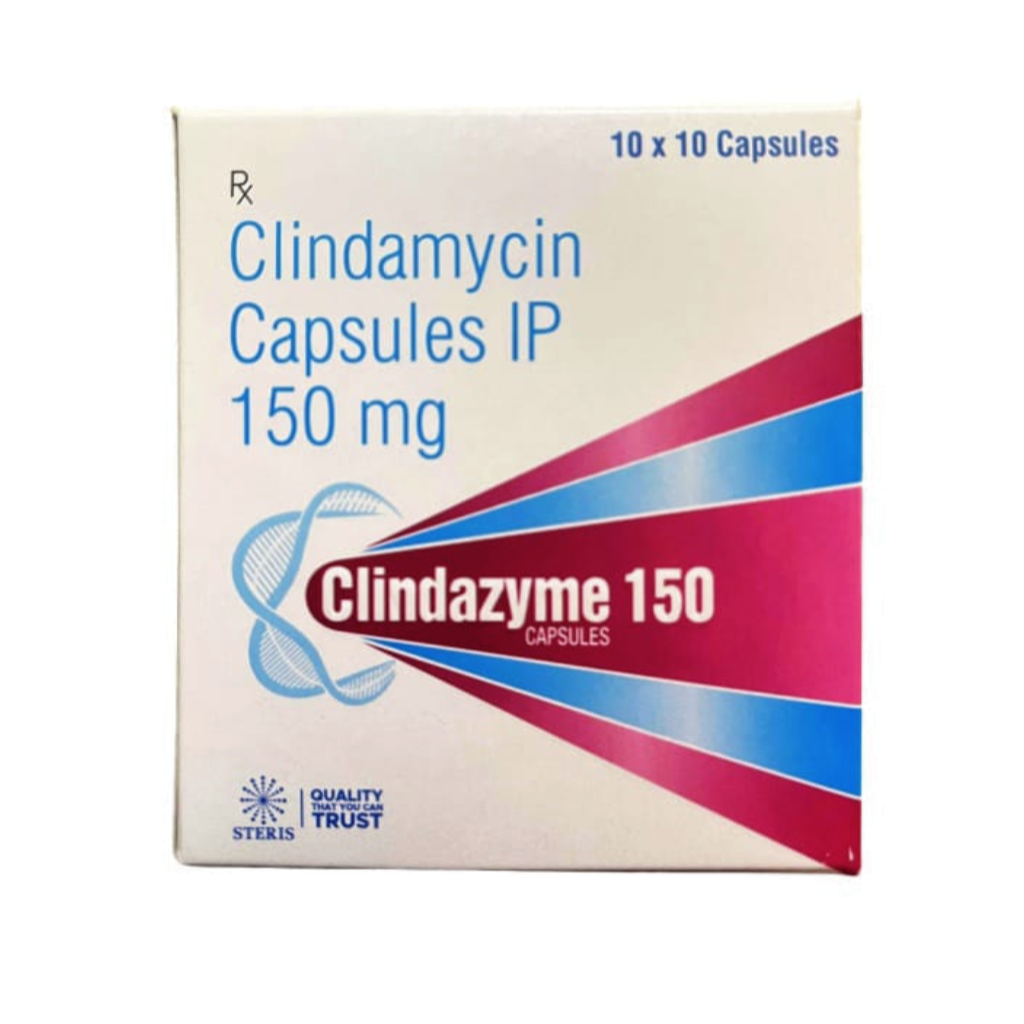
The topic of clindamycin for chlamydia often comes up in online searches by people looking for alternative treatments for sexually transmitted infections. However, understanding how this antibiotic works — and whether it is actually appropriate for treating chlamydia — is essential for safe and effective care.

Chlamydia is a common sexually transmitted infection (STI) caused by the bacterium Chlamydia trichomatosis that can affect both men and women. If left untreated, it can lead to serious complications such as infertility, pelvic inflammatory disease, and chronic reproductive health problems. Because of these risks, proper antibiotic treatment is essential.
This article provides a detailed explanation of, its effectiveness, clinical guidelines, and why it is usually preferred over other antibiotics.
What is chlamydia?
Chlamydia is one of the most commonly reported bacterial STIs worldwide. It is often called a “silent infection” because many people do not experience symptoms. When symptoms do occur, they may include:
A burning sensation during urination
Abnormal genital discharge
Pelvic pain in women
Testicular pain in men
Bleeding between periods
Because symptoms may be mild or absent, many people remain unaware that they are infected, increasing the risk of transmission.
Standard medical guidelines recommend specific antibiotics that directly target Chlamydia trachomatis. This is where the discussion about clindamycin for chlamydia becomes important.
What is Clindamycin?
Clindamycin is an antibiotic that belongs to the lincosamide class. It works by inhibiting bacterial protein synthesis, which prevents bacteria from growing and multiplying. It is commonly used to treat:
Skin and soft tissue infections
Dental infections
Bacterial vaginosis (in some cases)
Certain anaerobic bacterial infections
Despite its effectiveness against many bacteria, its role in the treatment of sexually transmitted infections is limited.
Clindamycin for Chlamydia: Does it work?
One of the most important questions is whether clindamycin is effective for chlamydia? According to current medical guidelines and research, clindamycin is not considered the first or standard treatment for chlamydia.
This is because Chlamydia trachomatis responds better to other antibiotics that specifically target its unique biological structure. The most commonly recommended treatments include:
Doxycycline (first-line treatment in most cases)
Azithromycin (alternative single-dose option)
These antibiotics have been studied extensively and have been shown to effectively eliminate chlamydia infections.
In contrast, clindamycin for chlamydia has limited evidence supporting its effectiveness. It is not generally recommended because it does not reliably kill the bacteria responsible for the infection.
Why is clindamycin not the preferred choice?
There are several reasons why clindamycin is not widely used for chlamydia:
1. Limited effectiveness
Research shows that clindamycin does not permanently eliminate Chlamydia trachomatis from the body.
2. Better alternatives exist.
Doxycycline and azithromycin have high cure rates and are recommended by the World Health Organization.
3. Risk of incomplete cure
Using clindamycin for chlamydia can lead to partial cure, allowing the infection to persist or worsen.
4. Antibiotic resistance concerns
Improper use of antibiotics like clindamycin can contribute to resistance, making future infections more difficult to treat.
When Clindamycin is used in sexual health.
Although clindamycin is not recommended for chlamydia, clindamycin does have a role in reproductive and sexual health. It is sometimes used to treat:
Bacterial vaginosis (BV)
Certain pelvic infections caused by anaerobic bacteria
This is one reason there is confusion — people think it can also work for chlamydia. However, BV and chlamydia are completely different infections caused by different organisms.
Recommended Treatments for Chlamydia
Instead of relying on clindamycin for chlamydia, healthcare providers typically recommend:
1. Doxycycline
Taken for 7 days.
Highly effective against chlamydia
First-line treatment in most cases
2. Azithromycin
Single-dose treatment option
Often used when adherence to multi-day treatment is a concern.
These treatments are supported by strong clinical evidence and are the standard of care worldwide.
Risks of Self-medication with Clindamycin for Chlamydia
Using clindamycin for chlamydia without medical supervision can be dangerous. Self-medication can cause:
Persistent infection
Increased risk of complications
Spread of infection to sexual partners
Misdiagnosis of the underlying condition
It is always recommended that you undergo testing and receive treatment as prescribed by a qualified healthcare professional.
The Importance of a Correct Diagnosis
A proper diagnosis is essential before considering any treatment, including discussing clindamycin for chlamydia. Chlamydia is diagnosed through:
Urine tests
Swabs from the cervix, urethra, or throat
Laboratory testing
Appropriate antibiotics should be prescribed only after confirmation.
Chlamydia Prevention
Prevention of infection is more effective than treatment. Important prevention strategies include:
Consistent condom use
Regular STI testing
Limiting the number of sexual partners
Communicating with partners about sexual health
These steps reduce the likelihood of needing any antibiotics, including discussing clindamycin for chlamydia.
Conclusion.
Clindamycin for chlamydia is a common finding in online searches, but clinical evidence does not support it as a reliable treatment. Although clindamycin is a useful antibiotic for certain bacterial infections, it is not recommended for Chlamydia trachomatis.
The most effective and widely prescribed treatments are doxycycline and azithromycin. Anyone suspected of having chlamydia should seek appropriate medical evaluation and follow evidence-based treatment rather than self-medicating.
Understanding the limitations of clindamycin for chlamydia helps ensure safer health decisions and more effective infection control.

