


Gut health has become one of the most talked about aspects of overall wellness — and for good reason. Your digestive system isn’t just responsible for breaking down food. It plays a vital role in immunity, mental clarity, energy levels, and even skin health. If you’re feeling sluggish, bloated, or out of balance, a gut health cleanse could be exactly what your body needs. The key is understanding how to approach it properly and see the most change over time.

What is a Gut Health Cleanse?
A gut health cleanse is a systematic way to improve your digestive system by removing harmful substances, restoring beneficial bacteria, and supporting the gut lining. Unlike extreme detox trends, a healthy cleanse focuses on nutrition rather than deprivation. It’s about giving your gut the right environment to heal and thrive.
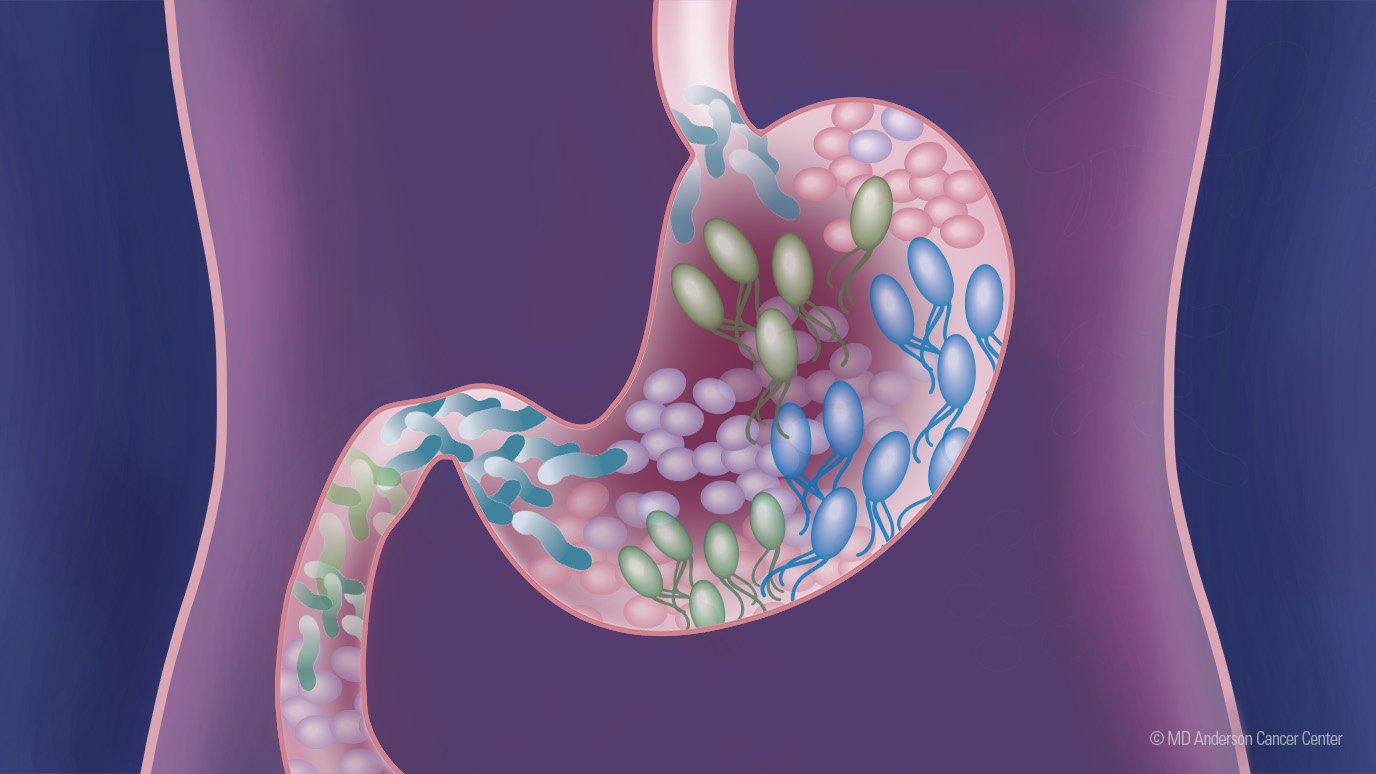
Your gut is home to trillions of bacteria—both good and bad. When this balance is disrupted by poor diet, stress, antibiotics, or lack of sleep, it can lead to digestive issues, inflammation, and even chronic health problems. A gut cleanse helps restore this balance.
Signs You May Need a Gut Health Cleanse.
Before diving into a cleanse, it’s important to know if your body is asking for it. Common symptoms include:
Frequent bloating or gas
Irregular bowel movements
Fatigue or low energy
Sugar cravings
Skin problems like acne or dullness
Brain fog or difficulty concentrating
If you’re experiencing several of these symptoms, resetting your gut may be beneficial.
Step 1: Eliminate Gut Irritation.
The first step in a gut health cleanse involves eliminating foods and habits that disrupt your digestive system. This is essential to seeing maximum change over time.
Common gut irritants include:
Processed foods
Added sugar
Artificial sweeteners
Alcohol
Fried or fatty foods
Eliminating these will help your gut rest and reduce inflammation. Even a short break of 2-4 weeks can make a significant difference.
Step 2: Add Gut Healing Foods.
Once the itch is gone, the next step is to introduce foods that actively support gut health. This is where the real healing begins.
Focus on:
Fiber-rich foods like vegetables, fruits, and whole grains
Fermented foods like yogurt, kefir, and sauerkraut
Bone broth, which supports the gut lining
Healthy fats like olive oil and avocado
These foods feed the beneficial bacteria and help restore balance to your microbiome.
Step 3: Stay Hydrated.
Water is often overlooked, but it plays a vital role in digestion and detoxification. Proper hydration helps move waste through your system and aids in the absorption of nutrients.
Aim to drink at least 6-8 glasses of water daily, and consider adding lemon or herbal teas to enhance the cleansing effect.
Step 4: Manage stress.
Your gut and brain are deeply connected. High stress levels can disrupt digestion and harm your gut bacteria. If you want to see maximum change over time, stress management is a non-negotiable.
Simple methods include:
Deep breathing exercises
Meditation
Regular physical activity
Getting enough sleep
Even 10-15 minutes of rest a day can significantly improve gut health.
Step 5: Consider probiotics and prebiotics.
Probiotics are beneficial bacteria that help restore gut balance, while prebiotics are fibers that feed these bacteria. Together, they play a powerful role in cleansing gut health.
You can get these naturally through food, but supplements can also help, especially if your gut imbalance is severe. Always choose high-quality options and consult a healthcare professional if necessary.
Step 6: Be consistent to see maximum change over time.
One of the biggest mistakes people make is expecting instant results. Improving gut health is a gradual process. While some people feel better in days, real change takes weeks and months.
To see maximum change over time:
Stick to a clean, balanced diet
Maintain healthy habits even after the cleanse
Track your progress (energy, digestion, mood)
Avoid falling back into old habits too soon.
Consistency is what turns a temporary cleanse into a long-term lifestyle change.
Benefits you can expect.
When done correctly, a gut health cleanse can lead to significant improvements, including:
Reduced bloating and improved digestion.
Increased energy levels
Clearer skin
Improved mood and mental clarity
Stronger immune system
These benefits don’t just appear overnight — but they steadily increase when you’re committed.
Common Mistakes to Avoid.
To get the most out of your gut health cleanse, watch out for these pitfalls:
Over-restricting your diet: Starving your body can do more harm than good.
Ignoring fiber: Fiber is essential for feeding good bacteria.
Skipping hydration: Detoxification relies heavily on water.
Expecting quick fixes: Sustainable results take time.
Avoiding these mistakes will help you see the most change over time without harming your body.
Final thoughts.
A gut health cleanse isn’t about following a strict, short-term diet—it’s about building a foundation for long-term wellness. By eliminating harmful foods, nourishing your body, managing stress, and being consistent, you can reset your digestive system and experience real, lasting change.
Your body will respond if you’re patient and committed. Over time, you will not only feel better on the inside, but you will also see significant improvements in your energy, mood, and overall health. That is the real goal – to manifest maximum change over time through sustainable, healthy choices.

