


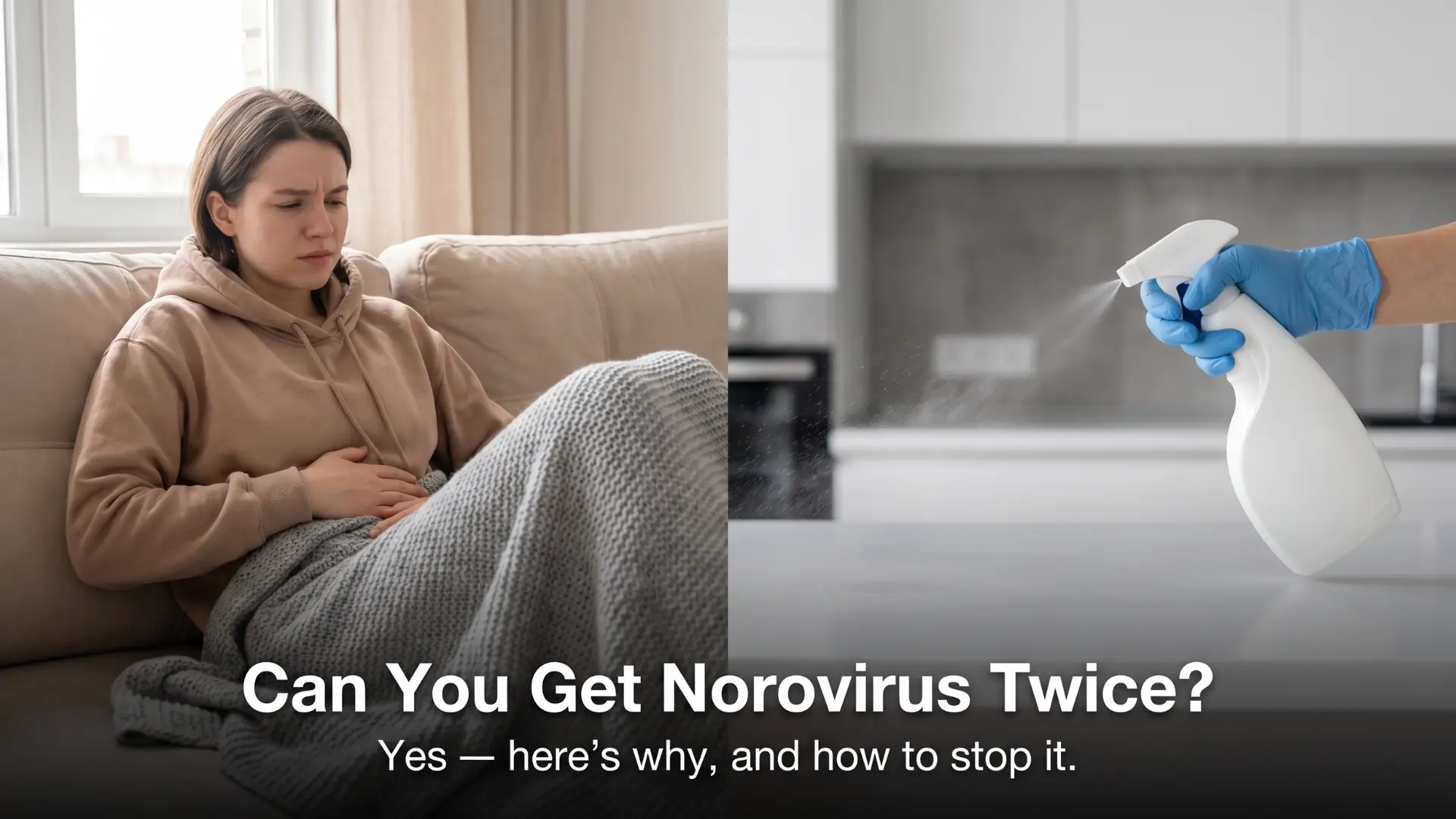
If you’ve ever dealt with a sudden outbreak of vomiting, diarrhea, or stomach pain in your home or workplace, you’ve probably wondered how to properly disinfect surfaces and prevent the spread of infection. One of the most common questions people ask is: Does Lysol kill stomach viruses?

Stomach viruses — often called “the stomach flu” — are usually caused by viruses like norovirus, which are highly contagious and can survive on surfaces for days. Understanding whether disinfectants like Lysol are effective is crucial to preventing outbreaks and keeping your environment safe.
What are stomach viruses?
Stomach viruses are not caused by influenza viruses, despite the nickname “stomach flu.” Instead, they are usually caused by:
Norovirus (most common)
Rotavirus (more common in children)
Adenovirus
Astrovirus
Of these, norovirus is the leading cause of viral gastroenteritis worldwide. It spreads rapidly through contaminated food, water, surfaces, and close contact withdoes lysol kill stomach viruses infected people.
Symptoms often include:
Nausea
Vomiting
Diarrhea
Stomach pain
Low-grade fever
Because norovirus is highly contagious, proper cleaning and disinfection are essential to prevent its spread.
Does Lysol kill stomach viruses?
The short answer is: Yes, some Lysol products can kill stomach viruses, but not all of them.
Lysol makes a range of disinfectants, and only specific formulations are effective against viruses like norovirus. When looking to see if Lysol kills stomach viruses, you need to check the product label:
“Kills norovirus”
“Kills human norovirus”
“Effective against norovirus”
EPA registration for activity against viruses
Some Lysol disinfectant sprays and wipes are tested and approved to kill norovirus when used properly. However, basic cleaning products or general-purpose cleaners may not be strong enough.
How Lysol Works Against Stomach Viruses.
Lysol contains disinfectant ingredients such as:
Ethanol (alcohol-based formulas)
Quaternary ammonium compounds (quats)
Hydrogen peroxide (in some formulations)
These chemicals work by breaking down the protein structure of viruses, essentially rendering them inactive. However, norovirus is particularly tough because of its protective outer layer, which is why not all disinfectants are effective.
For Lysol to work properly:
The surface must be cleaned beforehand (remove dirt and debris).
The disinfectant must remain wet on the surface for the recommended contact time.
The correct product must be used (one labeled for norovirus).
Contact time matters.
Even if you’re using a Lysol product that kills stomach viruses, it only works if you follow the contact time instructions on the label.
Contact time refers to how long a surface needs to be thoroughly wet for the disinfectant to effectively kill the germs. For norovirus, this is typically:
30 seconds to 10 minutes, depending on the product.
The virus can survive if you dry the surface too quickly.
Where stomach viruses are commonly spread.
Understanding where contamination occurs helps you target cleaning efforts. Norovirus spreads easily on:
Bathrooms (toilet, sink, faucet)
Kitchen counters does lysol kill stomach viruses
Door handles
Light switches
Phones and remote controls
Shared eating surfaces.
Since the virus can survive on surfaces for several days, regular disinfection is essential during an outbreak.
The Right Way to Disinfect with Lysol
For maximum protection against stomach viruses when using Lysol, follow these steps:
1. Clean first.
Remove visible dirt using soap and water. Disinfectants are less effective on dirty surfaces.
2. Apply generously.
Spray or wipe the surface thoroughly so that it remains wet.
3. Wait for the contact time.
Do not dry immediately. Let the product sit for the time listed on the label.
4. Air dry.
Let the surface air dry whenever possible.
Common mistakes people make.
Many people assume that all disinfectants work the does lysol kill stomach viruses same way. Here are some common mistakes:
Using non-virucidal Lysol products
Wiping too quickly before the contact time is up
Not cleaning before disinfecting
Leaving high-touch surfaces like phones and doorknobs
These mistakes can reduce effectiveness and allow the virus to spread.
Lysol vs. Other Disinfectants
While Lysol is widely trusted, it’s not the only option. Other disinfectants that can kill norovirus include:
Bleach-based solutions (very effective when diluted properly)
EPA-approved hospital-grade disinfectants
Hydrogen peroxide-based cleaners
Bleach is often considered one of the most reliable options for killing norovirus, but it can damage surfaces and leave a strong odor. Lysol offers a more convenient,does lysol kill stomach viruses ready-to-use alternative for everyday cleaning.
Prevention is just as important.
While the focus keyword Lysol kills stomach viruses is important for cleaning, prevention is even better. To reduce your risk:
Wash your hands frequently with soap and water (especially after using the bathroom and before eating)
Avoid preparing food while sick.
Regularly disinfect shared surfaces during an outbreak.
Wash contaminated clothing and bedding in hot water.
Isolate infected individuals when possible.
Hand sanitizers are helpful but not always completely effective against norovirus — soap and water remain the gold standard.
Final Answer: Does Lysol Kill Stomach Viruses?
Yes, whether Lysol kills stomach viruses depends on the specific product. Only certain Lysol disinfectants that are labeled as effective against norovirus can effectively kill stomach viruses when used correctly and for the does lysol kill stomach viruses appropriate amount of time.
If you are dealing with a stomach virus outbreak, always:
Check the label carefully.
Follow the directions exactly.
Clean before disinfecting.
Allow adequate contact time.
By using Lysol correctly and combining it with good hygiene practices, you can significantly reduce the spread of stomach viruses in your home or workplace.

