


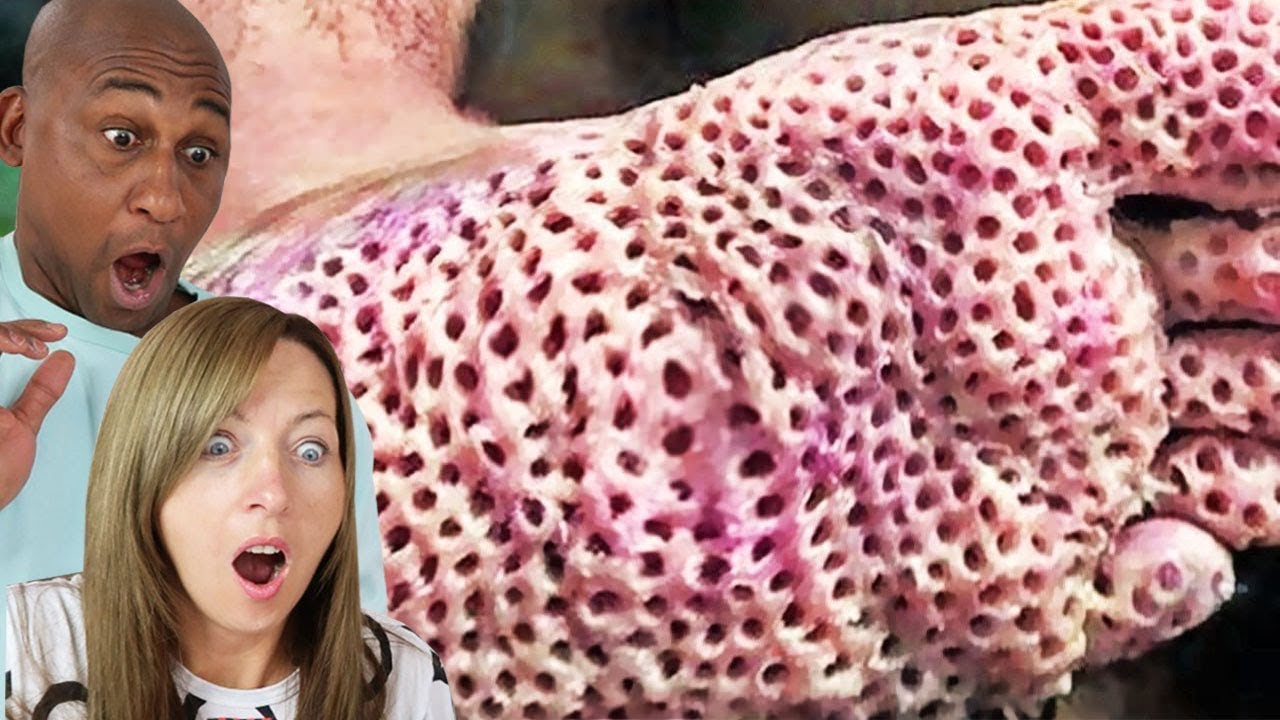
If you’ve ever felt a strange discomfort when looking at clusters of tiny holes or repeating patterns, you’re not alone. This reaction is often associated with ultimate trypophobia test — a condition that causes anxiety, fear, or even physical reactions in some people. In this article, we’ll explore the ultimate test for trypophobia, how it works, and how long you can endure it in a “show as long as possible” challenge.

What is Trypophobia?
Trypophobia is generally described as an aversion to small holes, bumps, or tightly packed patterns. Although it is not officially classified as a mental disorder, many people report severe reactions when exposed to certain visuals. These can include:
Goosebumps
Sensations of crawling skin
Nausea
Anxiety or panic
Sudden discomfort
Common triggers include honeycombs, lotus seed pods, sponges, or even digitally created images designed to enhance these effects.
What is the Ultimate Trypophobia Test?
The Ultimate Trypophobia Test is a visual endurance challenge designed to measure how long you can look at images that trigger trypophobia without reacting or looking away. The goal is simple: look at them for as long as possible—that is, try to last as long as possible.
These tests typically involve:
A series of increasingly intense images
A timer to track your endurance
Visual patterns that become more complex or disturbing over time.
Some versions are mild, while others are designed to push your limits.
How the “Look as Much as Possible” Challenge Works
The “Look as Much as Possible” concept turns the trypophobia test into a personal challenge. Instead of just reacting instinctively, you actively try to resist the urge to look away.
Steps to try it:
Start a timer.
Start with a stopwatch or on-screen timer.
Focus on the image.
Keep your eyes on the screen as the images change or speed up.
Track your response.
Notice when discomfort begins.
Stop when you can’t keep up.
Stop the timer when you feel overwhelmed or start looking away.
Record your maximum time.
This becomes your personal benchmark.
Why do people take the Ultimate Trypophobia Test?
There are several reasons why people are drawn to this challenge.
1. Curiosity
Many people want to know if they really have trypophobia.
2. Social challenges
Sharing results and challenging friends to beat your time has become popular on social media.
3. Self-testing
Some use it to better understand their own tolerance levels and reactions.
4. Thrill factor
For some, it’s akin to watching horror content — a mix of fear and fascination.
What happens during the test?
As you go deeper into the ultimate trypophobia test, the experience often changes:
First few seconds: Mild curiosity or no reaction.
10-30 seconds: Mild discomfort begins.
30-60 seconds: Increased anxiety or tension
1+ minutes: Severe reaction such as itching, anxiety, or a desire to stop
Of course, this varies from person to person. Some people can go for several minutes, while others can’t make it past a few seconds.
Tips for Increasing Your Max Time
If your goal is to improve your “max time,” here are some strategies:
Stay relaxed
Stress can increase your reaction time. Keep your breathing steady.
Pay attention to the details.
Instead of looking at the image as a whole, try focusing on specific shapes or colors.
Gradual exposure
Start with less intense images and work your way up.
Blink naturally.
Avoid straining your eyes – this can make the experience worse.
Take breaks.
Don’t push yourself too hard. You can always try again later.
Is it safe to take the Trypophobia test?
For most people, the ultimate Trypophobia test is harmless. However, if you experience a severe physical or emotional reaction, it is best to stop immediately.
Avoid the test if you:
Have severe anxiety disorders.
Are prone to panic attacks.
Experience severe discomfort quickly.
Remember, this is meant to be a challenge — not a painful experience.
What does your score mean?
Your “show maximum time” doesn’t define you, but it can give you insight into your sensitivity:
0-10 seconds: High sensitivity
10-30 seconds: Moderate sensitivity
30-60 seconds: Low sensitivity
1+ minutes: Minimal or no response.
Again, everyone is different, and there is no “right” result.
The Psychology Behind Trypophobia
Researchers suggest that trypophobia may be linked to an evolutionary response. Some patterns resemble:
Poisonous animals (such as certain snakes or insects)
Sick skin or infections
Dangerous environmental signals
Your brain may interpret these patterns as threats, even if they are harmless images.
Should you try the Ultimate Trypophobia Test?
If you are curious and comfortable with visual challenges, the Ultimate Trypophobia Test (Show Max Time) can be an interesting experience. It is a mix of psychology, endurance, and self-discovery.
However, it is important to listen to your body. If something feels too intense, there is no need to push through it.
Final Thoughts
The Ultimate Trypophobia Test Show Max Time Challenge is more than just a viral trend — it is an interesting way to explore how your brain reacts to visual stimuli. Whether you stay for a few seconds or several minutes, the experience can teach you something about your perception and tolerance.
So, are you ready to test yourself? Start the timer, face the pattern, and see how long you can last. Just remember – your comfort always comes first.

