


Trypophobia teeth is a term that has gained attention online as more and more people describe an intense emotional reaction to images or patterns containing clustered or unusual teeth. While trypophobia itself is not officially classified as a mental disorder, the distress it causes is very real. When combined with the visuals of teeth, which are already sensitive elements of the human body, the reaction can be even more intense. In this article, we will explore what trypophobia teeth is, why it occurs, and how people can manage their reactions to it.

What is trypophobia teeth?
Trypophobia teeth refers to the uneasy or disturbing feeling that some people experience when looking at images of teeth that appear in repetitive, clustered, or unnatural patterns. These may include modified images where the teeth are magnified, arranged in a grid, or embedded in unusual surfaces. The keyword trypophobia teeth often appears in discussions where people express their reactions to such visuals, ranging from mild discomfort to severe anxiety.
The reaction is usually not about the teeth themselves, but rather the patterns they form. The human brain reacts strongly to repetitive shapes, especially when they resemble holes, bumps, or tightly packed objects. When teeth are used in such patterns, the effect becomes more disturbing, making trypophobic teeth a particularly intense trigger for some people.
Why do people react to teeth in Trypophobia?
There are several theories behind why teeth in Trypophobia cause such a strong reaction:
1. Evolutionary response
Some researchers suggest that humans are wired to avoid patterns that resemble danger, such as poisonous animals or diseased skin. Clusters of shapes may subconsciously signal danger. When teeth are arranged in these patterns, the brain may interpret them as unnatural or harmful, which intensifies the reaction associated with teeth in Trypophobia.
2. Visual sensitivity
Some people are more sensitive to visual patterns that are more contrasting or repetitive. The sharp, bright shape of the teeth, combined with repetition, can overwhelm the visual system, which can even cause discomfort or nausea. This helps explain why images of teeth in Trypophobia can feel so disturbing.
3. Psychological Associations
Teeth are closely linked to the body and personal identity. Seeing them distorted or multiple can cause feelings of anxiety. The keyword Trypophobia teeth often appears in forums where users describe feeling “wrong” or “annoying” without fully understanding the reason.
Common triggers for trypophobia teeth
Not all images of teeth will cause discomfort. However, certain types are more likely to trigger a reaction:
Photoshopped images where teeth appear in clusters.
Artifacts where teeth replace natural textures (such as skin or objects)
Close-up images that emphasize repetition
Artificial designs using rows of identical teeth
These visuals often circulate online, and the term trypophobia teeth is often used to label or warn viewers about such content.
Symptoms of Trypophobia Teething Reaction
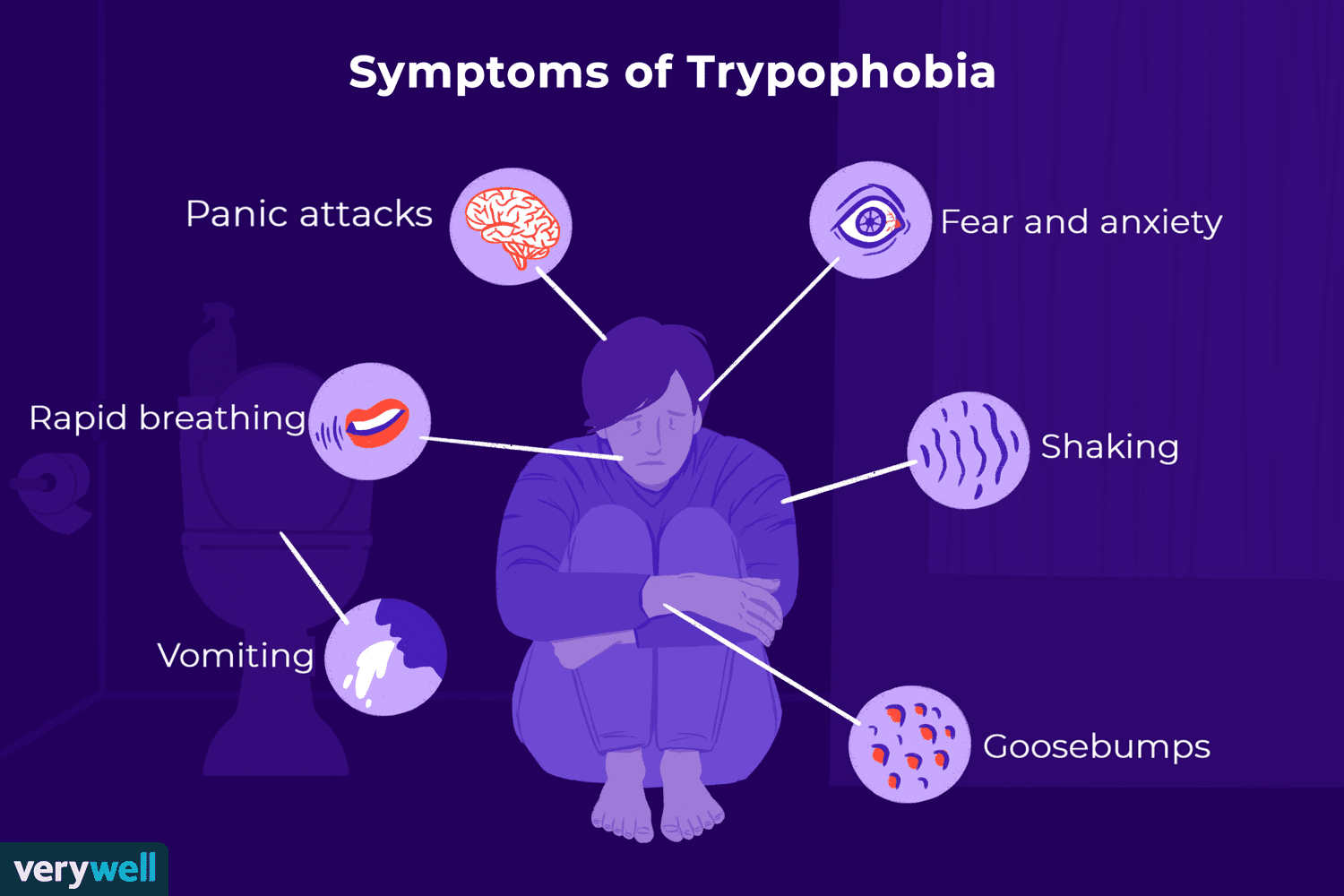
People who experience trypophobia teething may notice a range of physical and emotional symptoms, including:
Goosebumps or chills
Nausea or dizziness
Itchy or crawling skin sensations
Anxiety or panic
A strong desire to look away
The severity of these symptoms varies. For some, it is a mild discomfort, while for others, trypophobia teething can provoke a strong and immediate reaction.
Is Trypophobia a Real Condition?
Although trypophobia is widely discussed, it is not officially recognized as a medical disorder in diagnostic manuals. However, this does not mean that the experience is imaginary. Many psychologists agree that the answer is real. The term trypophobia represents a specific variation of this broader sensitivity, combining an aversion to patterns with body-related imagery.
How to Deal with Trypophobia Teeth.
If you find yourself reacting strongly to trypophobia teeth, here are some practical ways to manage your response:
1. Avoid triggers.
The easiest way is to limit exposure. Many platforms now label or blur disturbing images, including images tagged with trypophobia teeth.
2. Gradual Exposure
Some people benefit from gradually getting used to lighter patterns over time. This should be done carefully and at your own pace.
3. Relaxation Techniques
Deep breathing, mindfulness, or grounding exercises can help reduce anxiety when faced with moving images.
4. Adjust visual settings.
Reducing the brightness or contrast of your screen can reduce the intensity of the visual stimulus.
5. Talk about it.
Sharing your experience with others can make it feel less isolating. Many people who seek out trypophobia sufferers find that they are not alone in their reaction.
The role of the internet
The internet has played a major role in spreading awareness about trypophobia teeth. Social media platforms often feature viral images designed to provoke reactions. While this has helped people identify their sensitivities, it has also increased the exposure of the triggering content.
Creators sometimes intentionally design disturbing visuals using tooth patterns because they know it will evoke a strong reaction. As a result, the keyword trypophobia teeth continues to trend in online communities, particularly in discussions about visual discomfort and psychological reactions.
Can trypophobia teeth be treated?
Since trypophobia is not officially classified as a disorder, there is no standard treatment. However, if the reaction significantly affects daily life, professional help may be helpful. Cognitive behavioral therapy (CBT) is often used to treat phobias, and trypophobia can be helpful in managing tooth-related reactions.
In most cases, understanding the trigger and learning coping strategies is enough to reduce the distress. Awareness is a powerful tool, and simply knowing why tooth-related trypophobia causes the reaction can make it easier to manage.
Final Thoughts
Trypophobia of teeth is an interesting example of how the human brain responds to patterns and visual stimuli. While it may seem unusual, the reaction is rooted in natural processes related to perception and survival. Whether your reaction is mild or severe, it is important to know that many others share the same experience.

