


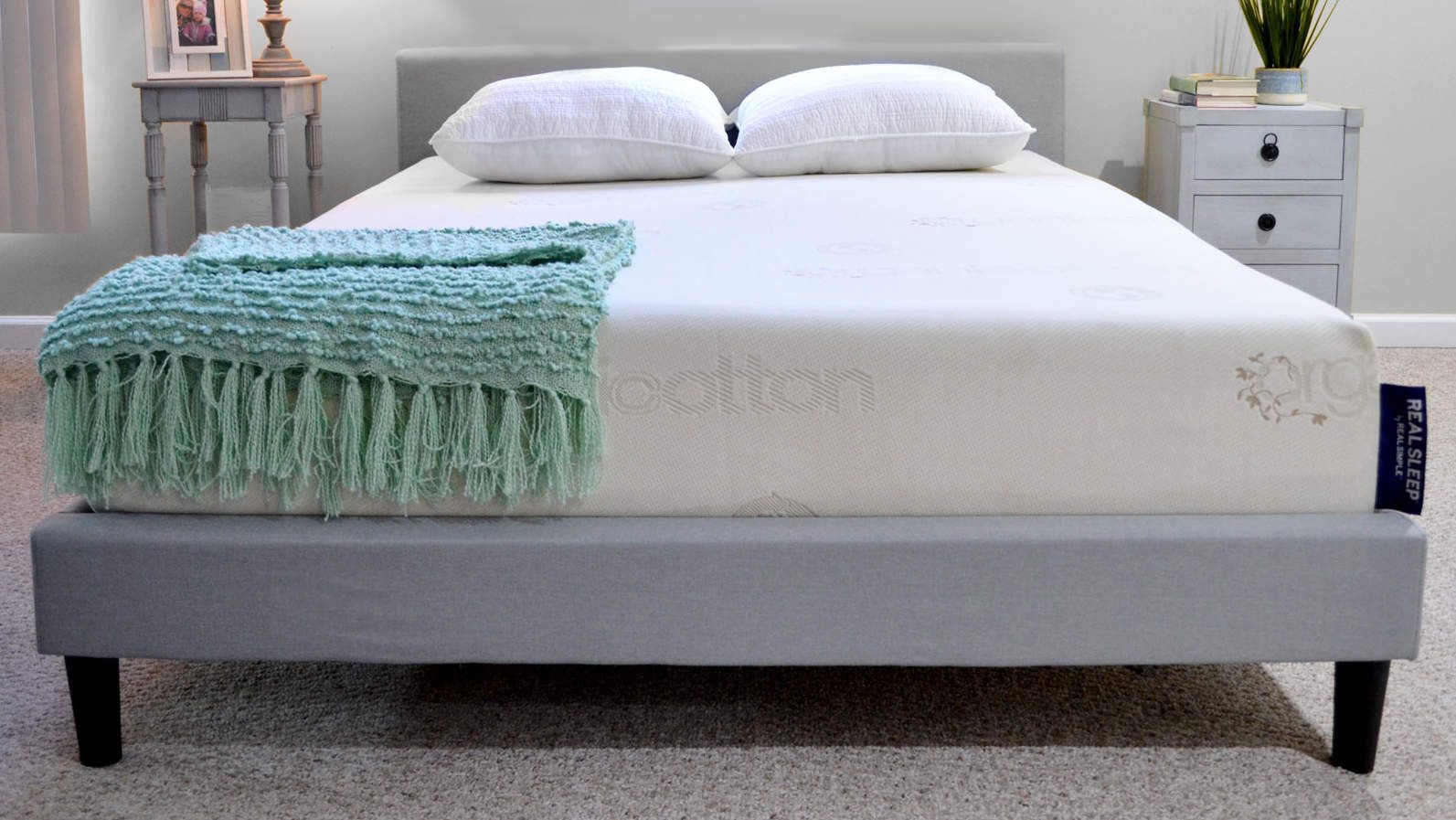
Is a Memory Foam Mattress Really the Best of All?
Choosing the right mattress can feel overwhelming, especially with so many options—spring, hybrid, latex, and of course, memory foam. Over the years, memory foam mattresses have become extremely popular, often advertised as the most comfortable and supportive choice. But is memory foam really the best of all? The answer depends on your sleep needs, preferences, and lifestyle. Let’s explore the facts to help you decide.

What Makes Memory Foam So Popular?
Memory foam is designed to respond to heat and pressure, allowing it to contour perfectly to your body. This “hugging” effect helps distribute weight evenly and reduce pressure points. It’s also known for offering strong motion isolation, meaning you won’t feel your partner tossing and turning at night.
For people suffering from back pain or joint discomfort, memory foam can be a game-changer. The mattress adapts to the natural curves of the spine, promoting healthier alignment and reducing strain.
Benefits of a Memory Foam Mattress
1. Excellent Pressure Relief
Memory foam softens as it warms up, creating a cushion that supports the neck, shoulders, hips, and lower back. This makes it ideal for side sleepers and people with chronic pain issues.
2. Motion Isolation
If you share a bed, memory foam minimizes movement transfer. This means fewer sleep disruptions and a more peaceful night.
3. Hypoallergenic Properties
Most memory foam mattresses naturally resist dust mites, allergens, and mold. This makes them a good choice for people with allergies or respiratory sensitivities.
4. Durability
High-quality memory foam mattresses can last 8–10 years or more. They maintain their structure well and don’t sag as quickly as traditional spring mattresses.
Downsides to Consider
Memory foam isn’t perfect for everyone. Here are a few drawbacks:
1. Heat Retention
Traditional memory foam can trap heat, making hot sleepers uncomfortable. Although newer models use cooling gel or open-cell technology, some users still find memory foam too warm.
2. Less Bounce
Memory foam absorbs movement, meaning it lacks the bounce that spring or latex mattresses offer. Some people prefer a more responsive surface.
3. Off-Gassing Smell
When first unpacked, memory foam mattresses may release a chemical odor known as off-gassing. This usually fades within a few days but can bother those sensitive to smells.
4. Can Feel Too Soft for Some Sleepers
Stomach sleepers and heavier individuals may find memory foam too soft, leading to sinking and misalignment.
So, Is Memory Foam the Best of All?
Not necessarily—but it can be the best for the right kind of sleeper. Memory foam is ideal for:
-
Side sleepers
-
People with back or joint pain
-
Couples seeking minimal motion transfer
-
Those who prefer a soft, contouring feel
However, latex, hybrid, and even traditional spring mattresses can be better choices for people who want more bounce, cooler sleep, or firmer support.
Conclusion
Memory foam mattresses offer incredible comfort, pressure relief, and motion isolation, making them a top choice for millions of sleepers. But like all mattresses, they’re not perfect for everyone. The “best” mattress is the one that fits your body, sleep position, and personal comfort preferences. If you enjoy a soft, body-hugging feel and want relief from pressure points, memory foam may very well be the best choice for you.

