


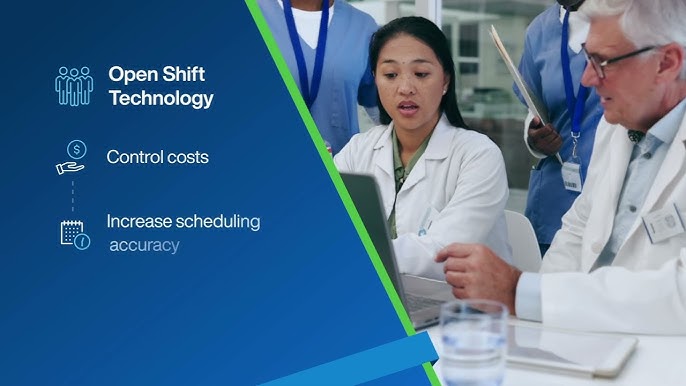
Healthcare organizations today face increasing challenges in workforce scheduling, staff coordination, and operational efficiency. Hospitals and medical facilities need systems that simplify employee management while ensuring quality patient care. One of the most effective tools used in healthcare workforce management is SSM Health Smart Square. This digital workforce management platform helps healthcare providers streamline scheduling, improve communication, and improve staff productivity.
In the modern healthcare environment, manually managing employees can lead to errors, scheduling conflicts, and reduced efficiency. Technology-based workforce systems are becoming essential for hospitals and clinics. With advanced scheduling capabilities and real-time workforce tracking, healthcare organizations can improve operations while supporting their employees. This is where SSM Health Smart Square plays a key role.
What is SSM Health Smart Square?
SSM Health Smart Square is a state-of-the-art workforce management and scheduling platform designed specifically for healthcare organizations. It helps hospitals manage staffing needs, employee schedules, shift assignments, and labor forecasts more efficiently and effectively.
The platform combines scheduling automation with analytics to ensure healthcare facilities maintain appropriate staffing levels at all times. By reducing administrative work, healthcare managers can focus more on patient care and less on manual scheduling tasks.
Healthcare workers also benefit from the system as it gives them easy access to schedules, shift updates, and time-off requests. It creates a seamless workflow and improves communication across departments.
Key Platform Features
One reason healthcare providers prefer SSM Health Smart Square is its wide range of useful features. The platform is designed to address the unique staffing challenges faced by hospitals and clinics.
Automated Scheduling
Healthcare staff scheduling can be complex as hospitals operate around the clock. Automated scheduling tools reduce the time managers spend manually creating schedules. The platform can analyze staffing needs and assign shifts based on employee availability and qualifications.
Real-time Updates
Healthcare staffing needs can change quickly due to emergencies, patient demand, or unexpected absences. Real-time updates allow managers and employees to be immediately informed of schedule changes.
Employee Self-Service
This system gives healthcare workers more control over their schedules. Employees can check shifts, request time off, change shifts, and receive notifications directly through the platform.
Data Analytics and Reporting
Workforce analytics help hospitals understand labor trends and staff performance. Managers can use reports to forecast staffing demands and make informed decisions about workforce planning.
Benefits for Healthcare Organizations
Improved Staff Performance
Healthcare facilities often struggle with overstaffing or understaffing. Using accurate staffing forecasts, hospitals can assign the right number of employees to each department. This improves workflow and reduces unnecessary labor costs.
Improved Employee Satisfaction
Employees appreciate flexible scheduling and easy access to their work information. A transparent schedule helps reduce confusion and workplace stress. Staff members can better manage work-life balance when they have greater visibility into their schedules.
Improved Patient Care
Adequate staffing levels are essential for quality healthcare services. When hospitals maintain a balanced staffing, patients receive more timely attention and better overall care. Effective workforce management also helps reduce employee burnout, which can have a positive impact on patient outcomes.
Reduced Administrative Burden
Manual scheduling processes require significant time and effort. Automation reduces paperwork and repetitive administrative tasks, allowing managers to focus on leadership and patient care responsibilities.
Why Healthcare Systems Need Smart Scheduling
The healthcare industry is one of the most demanding sectors when it comes to workforce coordination. Hospitals must ensure that doctors, nurses, technicians, and support staff are available at all times.
Traditional scheduling methods often fail to meet the demands of modern healthcare. Manual scheduling can lead to communication breakdowns, staff shortages, and compliance issues. Digital solutions simplify these processes while improving accuracy.
Healthcare organizations are also facing rising operational costs. Workforce management technology helps reduce overtime costs and improve resource allocation. As healthcare systems continue to evolve, advanced scheduling platforms are becoming increasingly important.
How Technology Is Transforming Workforce Management.
Digital transformation is changing nearly every aspect of healthcare operations. Workforce management tools are now powered by automation, cloud technology, and data analytics.
Modern systems provide mobile access, making it easy for employees to manage schedules from anywhere. Predictive analytics can predict staffing demands based on patient trends, seasonal changes, and historical data.
Healthcare leaders are rapidly investing in technology to improve efficiency and employee engagement. Workforce management platforms are becoming essential tools for maintaining competitive healthcare operations.
Challenges in Healthcare Staffing
Healthcare staffing remains a major challenge worldwide. Hospitals must deal with labor shortages, employee burnout, and fluctuating patient demand. Effective scheduling systems help organizations address these issues more effectively.
One challenge is ensuring fair shift distribution among employees. Uneven workloads can reduce morale and increase turnover rates. Automated systems create more balanced schedules that support employee well-being.
Another issue is maintaining compliance with labor regulations and healthcare standards. Scheduling software helps organizations adhere to staffing policies and avoid legal or operational risks.
The Future of Healthcare Workforce Solutions
The future of healthcare workforce management will likely include more artificial intelligence and predictive analytics. Advanced systems can automatically recommend staffing adjustments based on patient flow and operational data.
Mobile-friendly platforms and cloud-based systems will continue to improve accessibility for healthcare workers. Integration with other healthcare technologies can also create more integrated and efficient hospital operations.
As healthcare demands continue to grow, organizations will need better workforce solutions to maintain high standards of patient care and employee satisfaction.
Conclusion
Effective workforce management is essential for modern healthcare organizations. Hospitals and clinics need reliable systems that simplify scheduling, improve communication, and support staff productivity. SSM Health Smart Square provides healthcare providers with advanced tools that help improve staff operations while increasing employee satisfaction and patient care.

By automating scheduling tasks and offering real-time workforce insights, healthcare facilities can operate more efficiently in a demanding industry. As technology continues to evolve, workforce management platforms will remain an integral part of healthcare operations, helping organizations successfully meet the needs of both employees and patients.

