


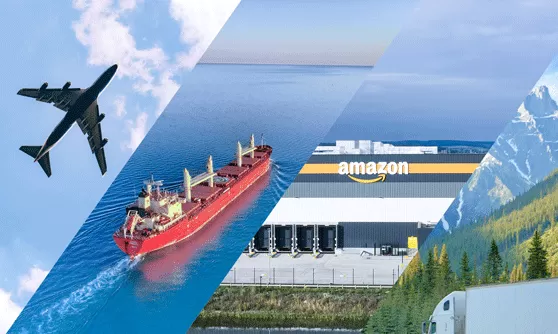
In today’s competitive e-commerce market, sellers need fast, secure, and affordable logistics solutions to move inventory smoothly. One of the most effective logistics strategies for online sellers is to ship to Amazon FBA Rapid Express freight services. Whether you’re a new Amazon seller or an experienced private label business owner, choosing the right freight partner can directly impact your profitability, customer satisfaction, and seller ratings.

Amazon FBA (Fulfillment by Amazon) allows sellers to store products in Amazon warehouses while Amazon handles the packing, shipping, and customer service. However, the biggest challenge many sellers face is getting products from suppliers or warehouses to Amazon fulfillment centers safely and on time. This is where shipping to Amazon FBA Rapid Express freight becomes an essential solution.
This guide explains everything you need to know about Amazon FBA freight shipping, including benefits, shipping methods, costs, customs clearance, and tips for choosing the right freight forwarder.
What is Amazon FBA Rapid Express Freight Shipping?
Amazon FBA Rapid Express Freight Shipping refers to specialized freight and logistics services designed to get goods to Amazon fulfillment centers quickly and efficiently. These services typically include:
Air Freight
Ocean Freight
Express Shipping
Customs Clearance
Door-to-Door Delivery
Amazon Appointment Scheduling
Product Labeling and Packaging
Rapid Express Freight providers help Amazon sellers streamline international shipping and avoid delays that can impact inventory availability.
For sellers importing products from countries like China, Pakistan, India, or Vietnam, a trusted freight company ensures the arrival of products to Amazon warehouses in accordance with Amazon’s strict requirements.
Why is shipping essential for Amazon FBA Rapid Express Freight?
Choosing professional shipping for Amazon FBA Rapid Express Freight services provides several key benefits for Amazon sellers.
Faster delivery times
Speed matters in e-commerce. Inventory delays can lead to stock shortages and lost sales. Rapid freight services reduce transit times and help maintain consistent inventory levels.
Amazon Compliance
Amazon has strict packaging and labeling rules. Freight experts understand Amazon FBA requirements and ensure that shipments meet Amazon standards.
Reduced risk of delays
Experienced freight forwarders handle customs paperwork, inspections, and documentation professionally, reducing the chances of shipping delays.
Cost-effectiveness
While express freight may initially seem expensive, it can save money by preventing inventory shortages, storage penalties, and delayed sales opportunities.
Tracking and Transparency
Most modern freight companies provide real-time tracking systems so that sellers can monitor shipments throughout their journey.
Types of Shipping to Amazon FBA Rapid Express Freight Services.
There are several shipping methods available depending on budget, product size, and urgency of delivery.
Air Freight
Air freight is one of the fastest methods for shipping to Amazon FBA Rapid Express Freight. It is ideal for:
Small shipments
High-value products
Quick inventory replenishment
Lightweight cargo
Advantages of Air Freight
Fast delivery
Reliable scheduling
Reduced inventory downtime
Better for seasonal products.
Disadvantages
High shipping costs
Limited for large cargo
Ocean Freight
Ocean freight is typically used for large volume shipments.
Advantages of Ocean Freight
Low cost for bulk inventory
Ideal for heavy products
Good for long-term inventory planning.
Disadvantages
Slow delivery times
Potential port delays
Many sellers combine ocean freight with local trucking services for complete shipping on Amazon FBA Rapid Express Freight Solutions.
How Amazon FBA Rapid Express Shipping Works
Understanding the process helps sellers avoid costly mistakes.
Step 1: Supplier Pickup
The shipping company collects the goods directly from your supplier or factory.
Step 2: Inspection and Packaging
The products are inspected for damage and packaged according to Amazon FBA standards.
Step 3: Labeling
Amazon shipping labels and carton labels are applied correctly.
Step 4: Customs Clearance
Freight specialists prepare invoices, declarations, and import documents.
Step 5: Transportation
The goods are transported by air, sea, or courier, depending on the method you choose.
Step 6: Delivery to Amazon Warehouse
The freight provider books delivery appointments with Amazon fulfillment centers.
Important Amazon FBA Shipping Requirements
When using Amazon FBA Rapid Express freight shipping, sellers must carefully follow Amazon’s guidelines.
Proper Packaging
Products must be securely packaged to prevent damage during transit.
Correct Labeling
Each product requires an Amazon barcode or FNSKU label.
Carton Weight Limits
Amazon typically limits carton weight to 50 lbs unless a single item exceeds this weight.
Pallet Requirements
Large shipments may require palletized freight as per Amazon’s specifications.
Failure to follow these guidelines may result in shipment rejection or additional fees.
Benefits of Using a Professional Freight Forwarder
Many sellers try to manage logistics independently, but professional freight forwarders offer significant benefits.
Industry Expertise
Freight forwarders understand international shipping regulations and Amazon compliance rules.
Stress Reduction
Arranging customs, carriers, and Amazon appointments can be time-consuming. Freight providers handle the entire process.
Better Shipping Rates
Freight forwarders often negotiate lower shipping rates due to their large shipping volumes.
Inventory Planning Support
Experienced providers help sellers choose the best shipping methods based on seasonal demand and sales forecasts.
Common Challenges in Shipping to Amazon FBA Rapid Express Freight
Even with professional services, some challenges can arise.
Customs Delays
Incomplete paperwork can delay shipments at customs checkpoints.
Peak Season Congestion
During holidays and shopping events, freight demand increases significantly.
Port Delays
Shipping of ocean freight can be delayed due to port congestion.
Amazon Receiving Delays
Sometimes Amazon warehouses take extra time to process incoming inventory.
Early shipment planning helps mitigate these risks.
The Future of Shipping on Amazon FBA Rapid Express Freight
The future of Amazon logistics is evolving rapidly. Technology, automation, and AI-powered tracking systems are improving supply chain efficiency worldwide.
Key trends include:
Faster customs processing
Real-time shipment visibility
Eco-friendly transportation
Smart warehouse integration
Automated inventory forecasting
As Amazon expands globally, reliable shipping to Amazon FBA Rapid Express Freight services will become even more important for competitive sellers.

