


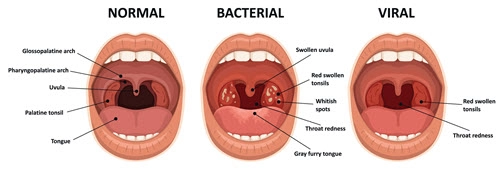
Tonsil hypertrophy ICD 10 is a commonly cited medical condition in clinical practice, hypertrophy of tonsils icd 10 particularly in pediatrics and ENT (ear, nose, and throat) care. It refers to the abnormal enlargement of the tonsils, which are lymphoid tissues located at the back of the throat. This enlargement can cause a variety of symptoms, including difficulty breathing, sleep disturbances, and recurrent infections. Understanding tonsil hypertrophy ICD 10 is essential for accurate diagnosis, proper documentation, and effective treatment planning.

What is tonsil hypertrophy?
Tonsillar hypertrophy is most commonly seen in children but can also affect adults. It can be caused by repeated infections, an immune response, or unknown factors. In many cases, enlarged tonsils are not harmful, but when they interfere with normal breathing or swallowing, medical attention is necessary.
Causes of Tonsil Hypertrophy ICD 10
Several factors contribute to tonsil hypertrophy ICD 10. One of the most common causes is recurrent throat infections, especially those caused by bacteria such as Streptococcus pyogenes. Viral infections can also cause enlargement.
Allergies and environmental irritants can trigger the immune system, causing the tonsils to enlarge. Genetic predisposition may also play a role, as some individuals naturally have larger tonsils. Additionally, conditions such as sleep apnea are often associated with enlarged tonsils, especially in children.
The symptoms of tonsil hypertrophy ICD 10 vary depending on the severity of the enlargement. Mild cases may be asymptomatic, hypertrophy of tonsils icd 10 while more significant hypertrophy can cause significant problems.
Snoring and sleep disturbances
Mouth breathing
Difficulty swallowing
Recurrent throat infections
Changes in voice quality
Diagnosis of Tonsil Hypertrophy ICD 10
In some cases, additional tests may be needed. Sleep studies, also known as polysomnography, are used to assess breathing patterns during sleep, especially if sleep apnea is suspected. Imaging studies are rarely needed but may be used in complex cases.
Accurate documentation using ICD-10 codes ensures proper medical billing and helps track the spread of the condition.
Treatment Options
Medical management may include:
Antibiotics for bacterial infections
Anti-inflammatory medications
Allergy management strategies
Surgical intervention may be required when symptoms are severe or persistent. The most common procedure is tonsillectomy, which involves removing the tonsils. This procedure is generally safe and is highly effective in resolving symptoms such as airway obstruction and recurrent infections.
Complications if left untreated.
Untreated obstructive sleep hypertrophy of tonsils icd 10 apnea can have long-term health consequences, including cardiovascular problems. Therefore, timely diagnosis and management are very important.
Prevention and management tips
Although it may not always be possible to prevent tonsil hypertrophy ICD 10, some steps can reduce the risk or severity:
Maintaining good oral hygiene
Treating infections promptly
Managing allergies effectively
Avoiding exposure to environmental irritants.
Regular check-ups with a healthcare provider can help monitor the size of the tonsils and detect any complications early.

