


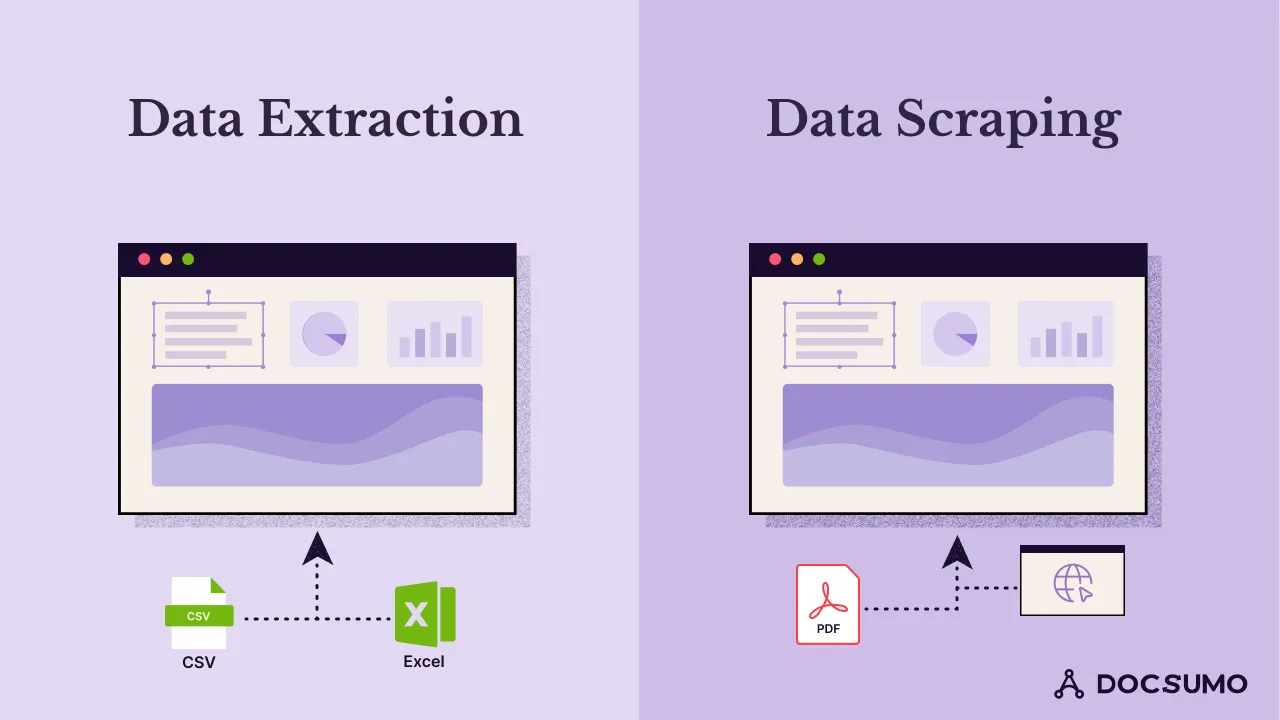
In today’s digital world, data is one of the most valuable assets for businesses, researchers, and developers. Whether you are analyzing market trends, monitoring competitors, or gathering insights from websites, a data scraper has become an essential tool. This article explores what a data scraper is, how it works, its benefits, challenges, and best practices for maximizing efficiency

What is a data scraper?
A data scraper is a tool or software designed to automatically extract information from websites or digital platforms. Instead of manually copying and pasting data, a data scraper automates the process, saving time and effort while ensuring accuracy.
Data scrapers can collect a variety of information, including:
Product prices from e-commerce websites
Customer reviews and ratings
Social media data
News articles and blog content
Business listings and contact details
How does a data scraper work?
Web page request
The data scraper sends a request to the website server to retrieve its content.
Parsing HTML
Once the page is loaded, the scraper analyzes the HTML code to find specific elements such as headings, tables, or links.
Data extraction
The scraper extracts the required information using selectors such as tags, classes, or IDs.
Data storage
The extracted data is stored in a structured format for further use or analysis.
Modern data scraper tools can also use APIs, headless browsers, or machine learning techniques to handle dynamic and complex websites.
Benefits of Using a Data Scraper
Using a data scraper offers numerous advantages, especially for businesses and analysts:
1. Time Efficiency
A data scraper can extract thousands of data points within minutes, significantly reducing manual work.
2. Accuracy
Automation minimizes human errors, ensuring consistent and reliable data collection.
3. Scalability
Whether you need data from a few pages or millions of records, a data scraper can scale accordingly.
4. Competitive Advantage
Businesses can monitor competitors’ pricing, products, and strategies in real-time.
5. Cost-Effective
By automating repetitive tasks, companies save on labor costs and improve productivity.
Common Use Cases of Data Scrapers
A data scraper is widely used across various industries. Some popular use cases include:
- E-commerce Monitoring: Track product prices and availability
- Market Research: Collect data on consumer behavior and trends
- Lead Generation: Extract contact information from directories
- Content Aggregation: Gather articles, news, or blog posts
- Financial Analysis: Retrieve stock market or economic data
These applications highlight how versatile and powerful a data scraper can be.
Challenges in Data Scraping
While a data scraper is highly useful, it also comes with certain challenges:
1. Website Restrictions
Many websites implement anti-scraping measures such as CAPTCHAs, IP blocking, or rate limiting.
2. Legal and Ethical Issues
Scraping data without permission may violate a website’s terms of service or legal regulations.
3. Dynamic Content
Modern websites use JavaScript to load content dynamically, making scraping more complex.
4. Data Quality Issues
Extracted data may require cleaning and validation before use.
Best Practices for Using a Data Scraper
To maximize the effectiveness of your data scraper, follow these best practices:
1. Respect Website Policies
Always check the website’s terms of service and robots.txt file before scraping.
2. Use Proxies and Rate Limiting
Avoid overloading servers by controlling request frequency and using proxies.
3. Handle Errors Gracefully
Implement error handling to manage timeouts, missing data, or unexpected changes.
4. Keep Your Scraper Updated
Websites frequently change their structure, so update your data scraper regularly.
5. Focus on Data Quality
Clean and validate your data to ensure it is useful and accurate.
Choosing the Right Data Scraper Tool
Selecting the right data scraper depends on your needs and technical expertise. Some tools are beginner-friendly with no coding required, while others offer advanced customization for developers.
When choosing a data scraper, consider:
- Ease of use
- Scalability
- Support for dynamic websites
- Data export formats
- Cost and licensing
Popular data scraper tools include browser extensions, cloud-based platforms, and custom-built scripts using programming languages like Python.
Future of Data Scraping
The future of the data scraper industry looks promising as data continues to grow exponentially. With advancements in artificial intelligence and automation, data scrapers are becoming smarter and more efficient.
Emerging trends include:
- AI-powered scraping tools
- Integration with big data platforms
- Real-time data extraction
- Improved compliance and ethical standards
As technology evolves, the role of data scrapers will become even more critical for decision-making and innovation.
Conclusion
A data scraper is an indispensable tool in the modern data-driven landscape. It enables individuals and organizations to extract valuable information quickly and efficiently. From market research to competitive analysis, the applications of a data scraper are vast and impactful.
However, it is essential to use data scraping responsibly by following legal guidelines and ethical practices. By doing so, you can unlock the full potential of a data scraper while maintaining trust and compliance.

